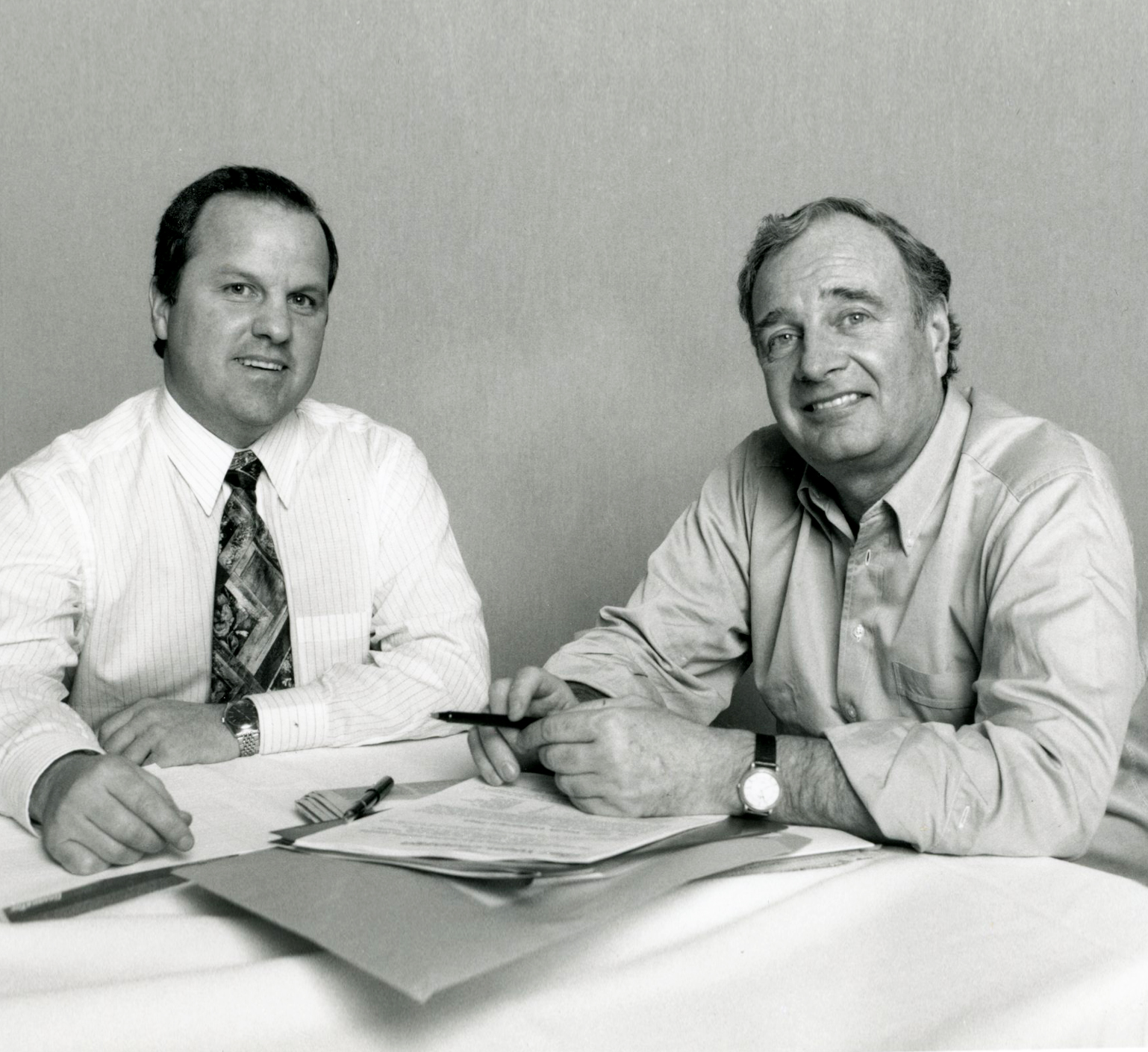
PM Paul Martin
I admired Paul Martin because he brought together three qualities that are rarely found in one leader: fiscal discipline, social responsibility, and a commitment to Canada’s place in the world.
As Finance Minister, he eliminated Canada’s structural deficit, delivered five consecutive budget surpluses, reduced the national debt burden, and restored confidence in Canada’s financial foundation. But he understood that a strong economy was not an end in itself; it was a means to build a better country and create opportunity for its people.
As Prime Minister, he advanced national child care agreements, championed the Kelowna Accord to improve Indigenous health, education, and housing outcomes, and legalized same-sex marriage through the Civil Marriage Act, affirming that equality under the law is a fundamental Canadian value. On the world stage, Prime Minister Martin helped establish the G20, recognizing that in an interconnected world, Canada’s influence would come not only from our resources and economy, but from our ability to bring nations together.
After leaving politics, he continued that commitment through the Martin Family Initiative, supporting Indigenous education and opportunities for young people. While some criticized the spending reductions of the 1990s for their impact on provincial services, I respected Martin’s belief that responsible government sometimes requires difficult choices. He understood that protecting future generations required balancing fiscal responsibility with fairness, inclusion, and compassion.
Before entering politics, Paul Martin was the owner and CEO of Canada Steamship Lines, one of Canada’s major shipping companies, operating bulk cargo vessels on the Great Lakes and around the world. That background gave him a practical understanding of industry, trade, and the importance of those who work on the water. That connection became personal when we discussed the Canadian Coast Guard, my time in an operational search-and-rescue unit, and work in boating safety.
When he asked if I had worked long days in the Coast Guard, I simply replied, “Very long days.” He paused and said, “I am sure some were very difficult.” I answered, “Many were very difficult. But never as difficult as what the families who lost loved ones to the sea had to endure.” He nodded slowly, smiled, and said, “Thank you.” Those two words carried more meaning than a long speech ever could. They were not simply an acknowledgement of long hours; they recognized the uncertainty of the call, the darkness of the night, the lives depending on a response, and the reality that those who serve sometimes place their own lives at risk to protect others.
For me, that was the measure of the man. Beyond the policies, budgets, and political debates, he understood something fundamental about leadership: it begins with recognizing the people who stand watch when others are asleep, who answer when the call comes, and who carry responsibility without seeking recognition. A simple “Thank you” from someone who truly understood the meaning of service became one of the most memorable moments of my life.
I admired Paul Martin because he brought together three qualities that are rarely found in one leader: fiscal discipline, social responsibility, and a commitment to Canada’s place in the world.
As Finance Minister, he eliminated Canada’s structural deficit, delivered five consecutive budget surpluses, reduced the national debt burden, and restored confidence in Canada’s financial foundation. But he understood that a strong economy was not an end in itself; it was a means to build a better country and create opportunity for its people.
As Prime Minister, he advanced national child care agreements, championed the Kelowna Accord to improve Indigenous health, education, and housing outcomes, and legalized same-sex marriage through the Civil Marriage Act, affirming that equality under the law is a fundamental Canadian value. On the world stage, Prime Minister Martin helped establish the G20, recognizing that in an interconnected world, Canada’s influence would come not only from our resources and economy, but from our ability to bring nations together.
After leaving politics, he continued that commitment through the Martin Family Initiative, supporting Indigenous education and opportunities for young people. While some criticized the spending reductions of the 1990s for their impact on provincial services, I respected Martin’s belief that responsible government sometimes requires difficult choices. He understood that protecting future generations required balancing fiscal responsibility with fairness, inclusion, and compassion.
Before entering politics, Paul Martin was the owner and CEO of Canada Steamship Lines, one of Canada’s major shipping companies, operating bulk cargo vessels on the Great Lakes and around the world. That background gave him a practical understanding of industry, trade, and the importance of those who work on the water. That connection became personal when we discussed the Canadian Coast Guard, my time in an operational search-and-rescue unit, and work in boating safety.
When he asked if I had worked long days in the Coast Guard, I simply replied, “Very long days.” He paused and said, “I am sure some were very difficult.” I answered, “Many were very difficult. But never as difficult as what the families who lost loved ones to the sea had to endure.” He nodded slowly, smiled, and said, “Thank you.” Those two words carried more meaning than a long speech ever could. They were not simply an acknowledgement of long hours; they recognized the uncertainty of the call, the darkness of the night, the lives depending on a response, and the reality that those who serve sometimes place their own lives at risk to protect others.
For me, that was the measure of the man. Beyond the policies, budgets, and political debates, he understood something fundamental about leadership: it begins with recognizing the people who stand watch when others are asleep, who answer when the call comes, and who carry responsibility without seeking recognition. A simple “Thank you” from someone who truly understood the meaning of service became one of the most memorable moments of my life.